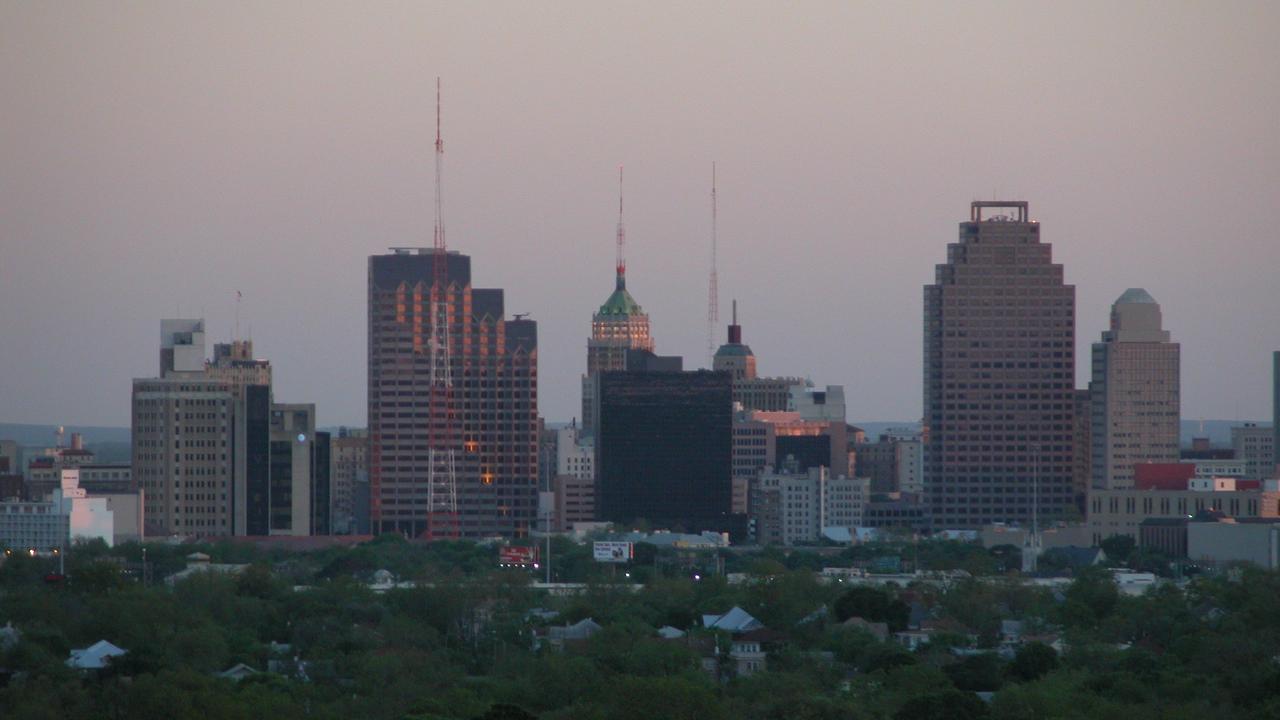
SAN ANTONIO — Long before luxury subdivisions lined Loop 1604 and commuters crowded U.S. Highway 281 each morning, North San Antonio was a landscape of ranches, cedar-covered hills and winding country roads stretching toward the Texas Hill Country.
Today, neighborhoods such as Stone Oak, Encino Park, Rogers Ranch, The Dominion and Alamo Ranch are synonymous with growth and prosperity. Shopping centers, corporate offices, schools and medical facilities define much of the landscape. Yet the transformation of North San Antonio into one of the region’s most desirable places to live is a relatively recent chapter in the city’s long history.
In many ways, the story of North San Antonio is the story of modern San Antonio itself.
A Rural Frontier
For much of the twentieth century, development in San Antonio remained concentrated near downtown and along the city’s historic south and west sides. North of Loop 410, vast stretches of ranchland dominated the landscape.
Families raised cattle on large properties that had often been held for generations. Roads such as Blanco Road, Bitters Road and Bulverde Road were largely rural routes connecting farms and ranches to the city.
Even as San Antonio expanded following World War II, much of the North Side remained distant from urban development. Residents seeking country living could find it only minutes from downtown.
The area’s rugged terrain, limestone hills and oak-covered landscapes made development more difficult than on the flatter portions of the city. But those same natural features would later become some of its greatest attractions.
The 1980s Boom
The first major wave of North Side growth arrived during the 1980s.
San Antonio’s economy diversified, population growth accelerated and demand increased for larger homes and suburban lifestyles. Developers began acquiring former ranch properties north of Loop 410 and along the growing Loop 1604 corridor.
Neighborhoods such as Oak Meadow, Deerfield and Encino Park emerged during this era, attracting middle-class families seeking newer homes and highly rated schools.
The completion and expansion of Loop 1604 proved transformative. What had once been a largely rural outer beltway became a catalyst for development, opening previously isolated land to residential construction.
Suddenly, areas once considered “far outside the city” became practical locations for daily commuters.
Stone Oak Changes Everything
If one development symbolizes North San Antonio’s rise, it is Stone Oak.
Beginning in the late 1980s and accelerating throughout the 1990s, Stone Oak transformed thousands of acres of former ranchland into a master-planned community that would redefine suburban living in San Antonio.
Developers envisioned more than a neighborhood. They created a self-contained community featuring schools, parks, retail centers, medical offices and upscale housing.
The concept proved enormously successful.
Families flocked to the area, drawn by new schools, modern homes and convenient access to major employment centers. As Stone Oak grew, it encouraged additional investment throughout the North Side.
Retail followed rooftops. Restaurants, shopping centers and professional offices quickly appeared to serve the growing population.
By the early 2000s, North San Antonio had become the city’s primary growth corridor.
The Era of Mega-Development

The new century brought even more dramatic change.
Large-scale developments such as The Rim, La Cantera, Rogers Ranch and Alamo Ranch expanded the geographic footprint of North Side growth. The opening of new retail centers and the continued expansion of the medical industry created thousands of jobs.
Meanwhile, school districts such as Northside ISD and North East ISD responded to surging enrollment by opening new campuses throughout the region.
The construction of hospitals, office parks and entertainment venues transformed the area from a suburban bedroom community into a major economic center.
Areas that had once contained little more than ranch roads and cattle pastures became some of the busiest commercial districts in South Texas.
Growth Beyond the City Limits
As land inside San Antonio became scarcer and more expensive, development pushed farther north into communities such as Bulverde, Spring Branch and the southern portions of Comal County.
New residents were willing to live farther from downtown in exchange for larger homes, scenic Hill Country views and access to highly regarded schools.
The result was a regional growth pattern that blurred traditional city boundaries.
What was once considered a clear divide between San Antonio and the Hill Country became an increasingly interconnected metropolitan corridor.
Challenges of Success
Rapid growth brought challenges as well.
Traffic congestion became a defining issue for many residents. Roads originally designed for rural traffic struggled to accommodate thousands of daily commuters.
Questions about water resources, infrastructure, housing affordability and environmental preservation became increasingly important as development accelerated.
Longtime residents sometimes lamented the loss of open spaces and rural character that had once defined the North Side.
Yet growth continued.
Employers, healthcare providers and retailers followed population trends, reinforcing the area’s status as one of the most dynamic parts of the metropolitan region.
Looking Ahead
Today, North San Antonio stands as one of the most successful suburban growth stories in Texas.
What was once a landscape of ranches and cedar-covered hills has become home to hundreds of thousands of residents. New subdivisions continue to rise beyond Loop 1604, while commercial development expands farther into the Hill Country.
Despite the transformation, reminders of the area’s past remain visible. Historic ranch entrances still dot major roadways. Stands of live oak continue to frame neighborhoods. Hill Country vistas survive amid the development.
The story of North San Antonio is not merely one of construction and population growth. It is a story of how a city expanded beyond its traditional boundaries and reshaped its future.
For generations of residents, the North Side has represented opportunity, mobility and a vision of modern suburban life. And as San Antonio continues to grow, the next chapter of that story is still being written on the hills north of the city.