SAN ANTONIO — Drive through the master-planned neighborhoods of Stone Oak, Encino Park, Rogers Ranch or Alamo Ranch on a weekday evening, and the signs of North San Antonio’s growth are impossible to miss. New subdivisions stretch across former ranchland, shopping centers are expanding, and traffic continues to increase along Loop 1604 and U.S. 281.
With that growth has come a familiar question from longtime residents and newcomers alike: Is crime getting worse?
The answer, according to recent law enforcement statistics, is more complicated than many people realize.
While overall crime across San Antonio has declined in recent years, North Side neighborhoods continue to experience the types of offenses that often have the greatest impact on residents’ daily lives — vehicle burglaries, package thefts, auto thefts and property crimes.
Police data show that citywide crime has been moving in a positive direction. Property crime has fallen significantly since 2024, and violent crime categories have also posted notable declines. Homicides citywide dropped again in 2025, continuing a trend that began after the pandemic-era surge in violence.
Yet for many North Side residents, statistics do not always match personal experience.
A vehicle break-in at a shopping center parking lot or a theft from a neighborhood driveway can quickly spread through social media groups and neighborhood forums. Those incidents often create a perception that crime is increasing even when broader trends point in the opposite direction.
Law enforcement officials say the North Side’s rapid growth partly explains the disconnect.
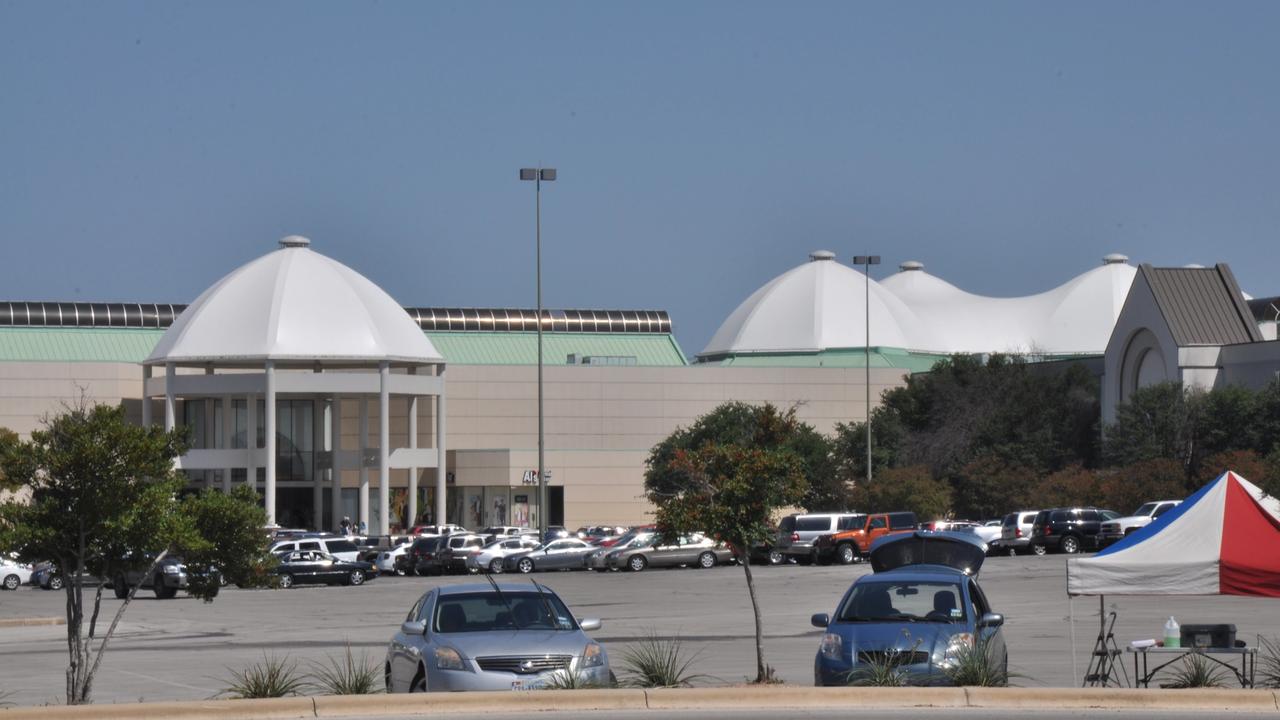
The area’s expanding population means more vehicles, more retail centers and more opportunities for property crimes. Large shopping destinations such as The Rim, La Cantera and Stone Oak commercial corridors attract thousands of visitors daily, creating environments where thieves can target unattended vehicles.

Criminologists note that property crimes tend to follow patterns of opportunity rather than geography alone. Areas with higher concentrations of vehicles, retail activity and commuter traffic frequently experience elevated levels of burglary and theft regardless of household income.
North San Antonio’s continued prosperity has therefore created a unique challenge for public safety officials. The same economic growth that has transformed the region into one of the city’s most desirable areas also generates conditions that can attract opportunistic offenders.
Police have increasingly focused enforcement efforts on vehicle burglaries and theft prevention campaigns. Residents are routinely reminded not to leave firearms, electronics or valuables inside vehicles, a crime-prevention strategy officials say remains one of the most effective deterrents.
Community involvement has also become a key part of the equation. Neighborhood watch programs, private security patrols and surveillance camera networks have expanded throughout many North Side subdivisions, giving investigators additional tools when crimes occur.
Even with those efforts, experts caution that no growing metropolitan area is likely to eliminate property crime entirely.
Instead, the broader story emerging from North San Antonio is one of transition. As the region continues to add residents, businesses and infrastructure, crime patterns are evolving alongside the area’s development.
The numbers suggest the city is becoming safer overall. But for residents whose vehicles have been burglarized or whose packages have disappeared from front porches, those improvements can feel distant.
For now, North San Antonio remains one of the city’s most sought-after places to live, fueled by strong schools, new development and expanding economic opportunities. The challenge facing community leaders and law enforcement will be ensuring that public safety keeps pace with the area’s remarkable growth.
As North San Antonio continues to expand, crime may not be defined by dramatic spikes in violence, but by the everyday offenses that shape how secure residents feel in the neighborhoods they call home.